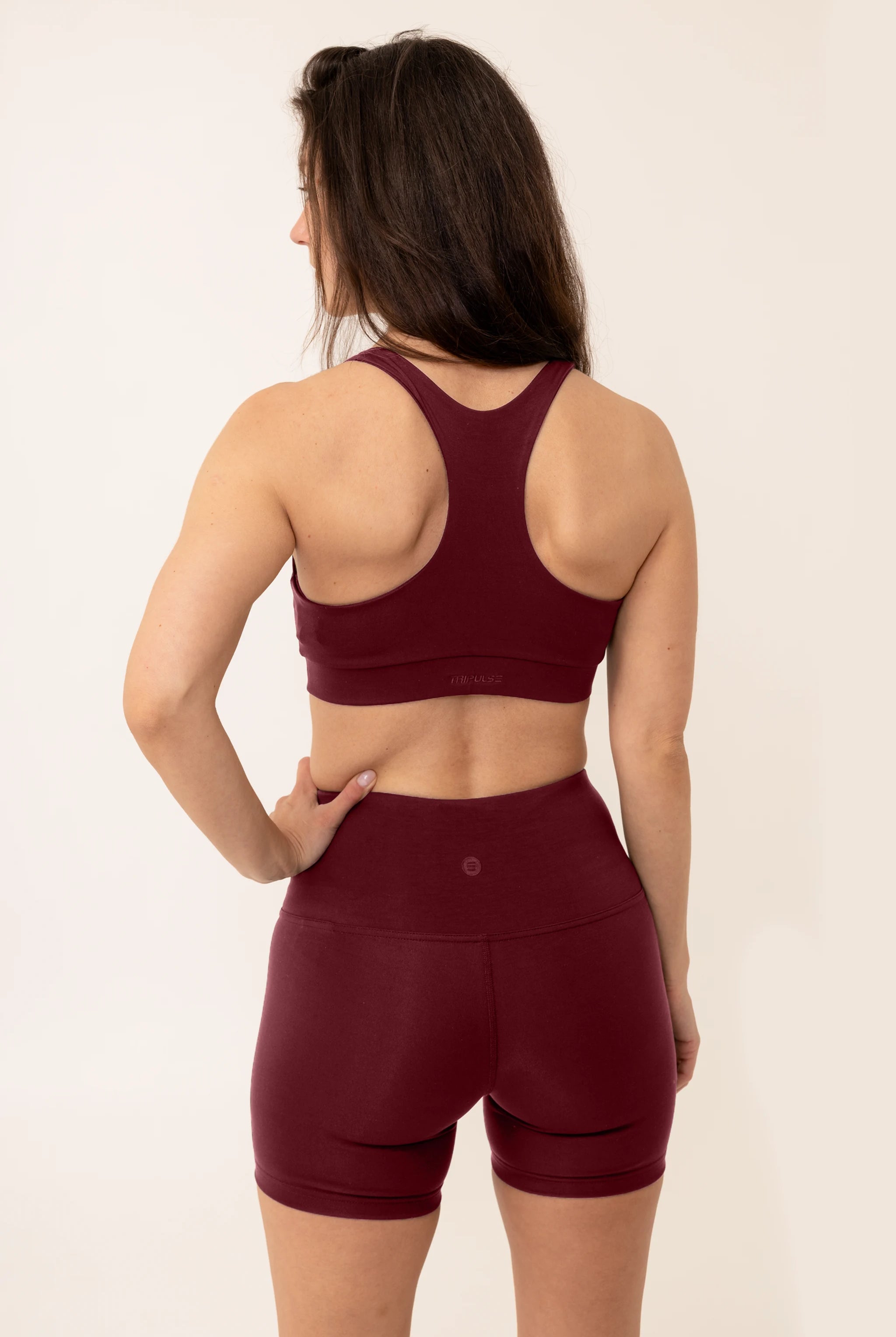
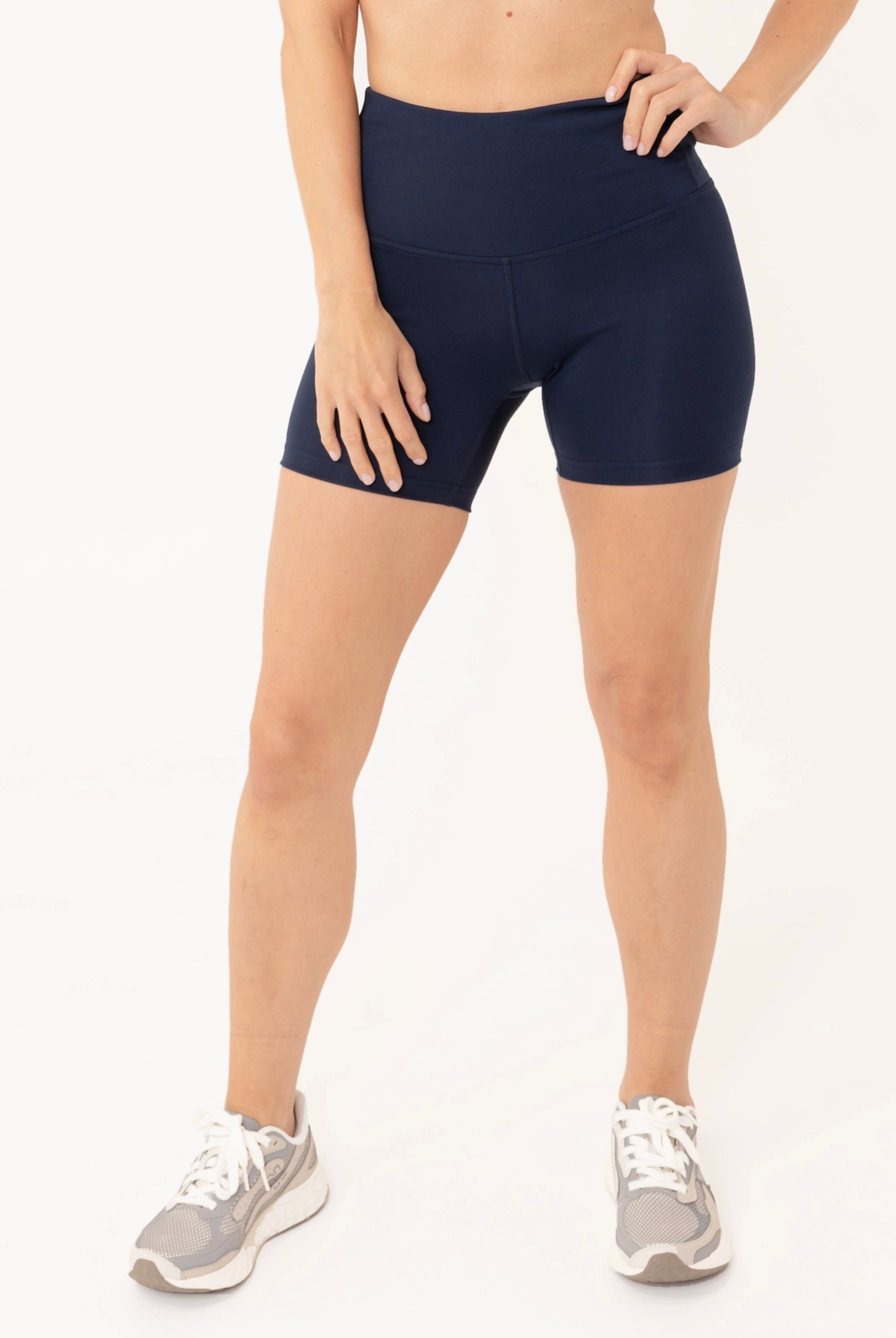
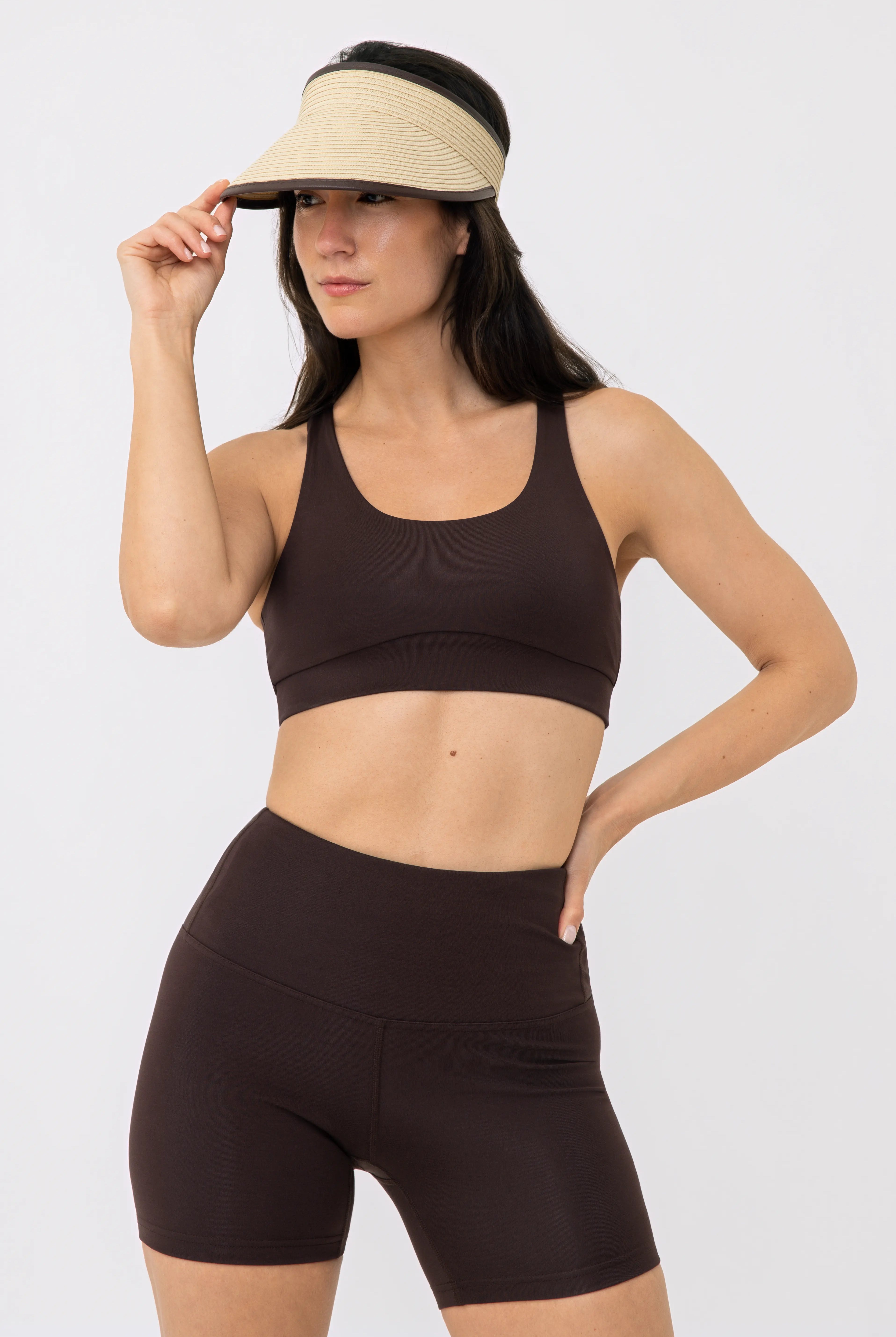
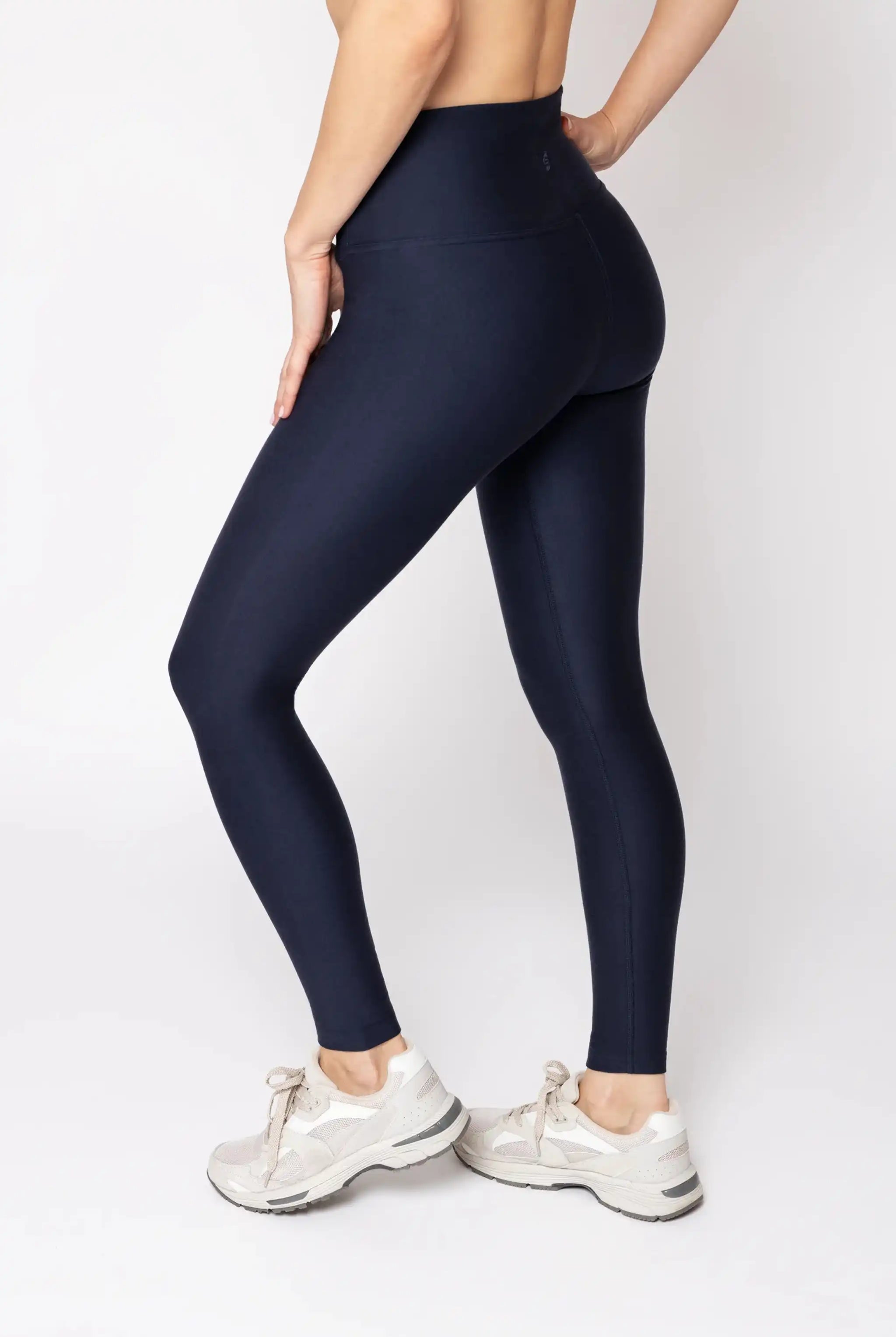
[Last updated February 2026]
If your workouts come with lingering odor, irritation, or that sticky, uncomfortable feeling, your activewear fabric is likely the reason.
Polyester and TENCEL™ Lyocell perform very differently on the body — especially during movement.
In this guide, we compare TENCEL™ Lyocell and polyester for activewear across what matters most: comfort, odor control, performance, skin health, sustainability, and long-term value.
TENCEL™ vs Polyester: Quick Answer
Is TENCEL™ or polyester better for activewear?
TENCEL™ Lyocell is the superior choice for skin-close activewear.
It moves with your body — staying cool, dry, and calm on the skin — while meeting the highest standards for health, sustainability, and lasting quality.
Polyester is plastic. It traps moisture, holds odor, and depends on chemical treatments to perform.
If you're comparing against nylon, the premium synthetic used across most performance activewear, read how TENCEL™ Lyocell compares with nylon instead.
Table of Contents
- TENCEL™ vs Polyester at a Glance
- Premium TENCEL™ Activewear vs Premium Polyester Activewear
- Why Fabric Choice Matters for Skin Health
- TENCEL™ Lyocell vs Polyester: Comfort, Performance & Skin Health
- TENCEL™ Lyocell vs Polyester: Environmental Impact
- Making Your Choice: TENCEL™ vs Polyester
- TENCEL™ vs Polyester: Final Verdict
TENCEL™ vs Polyester at a Glance
| Feature | TENCEL™ Lyocell | Polyester |
|---|---|---|
| Raw material | Sustainable wood pulp | Petroleum-based plastic |
| Breathability | Naturally breathable | Limited breathability |
| Moisture management | Absorbs and releases moisture | Tends to trap moisture |
| Skin comfort | Soft and gentle on skin | Often irritating and less comfortable |
| Freshness | Naturally resists odors, stays fresh for longer | Holds onto odor and bacteria, requires frequent washing |
| Chemical safety | Certified skin-safe | Often chemically treated |
| Longevity | Durable, lasts for years | Inconsistent quality |
| Environmental impact | Plastic-free and biodegradable | Microplastic pollution |
Premium TENCEL™ Activewear vs Premium Polyester Activewear
Many mainstream activewear brands fall within the same price range as premium TENCEL™ activewear. Yet the former still relies on plastic-based fabrics like polyester.
The difference isn't price. It's what goes into the garment.
Premium TENCEL™ activewear is built around:
- Natural botanical fibers instead of petroleum plastics
- Certified skin-safe fabrics and dyes
- Responsible, high-standard production
- Long-term comfort and durability
Most high-priced synthetic activewear still prioritizes:
- Mass-scale manufacturing
- Plastic fibers engineered with chemical treatments
- Limited transparency around skin health and environmental impact
Similar price point. Very different standards.

Why Fabric Choice Matters for Skin Health
Movement increases heat, sweat and friction, changing how fabrics perform and feel on the skin.
For decades, synthetic fabrics like polyester have been the default in activewear — familiar, trusted, and rarely questioned.
Over time, the trade-offs become clear: trapped moisture, bacterial build-up, lingering odor, irritation, and concerns around chemical processing.
With 60–70% of women and 50–60% of men experiencing sensitive skin, fabric choice plays a meaningful role in everyday skin health — especially for intimate pieces like activewear.
TENCEL™ Lyocell vs Polyester: Comfort, Performance & Skin Health
Is TENCEL™ Lyocell or polyester more breathable for activewear?
TENCEL™ Lyocell is generally more breathable and comfortable during exercise than polyester.
TENCEL™ fibers are naturally "hydrophilic," meaning they absorb moisture into the fabric. This helps keep the skin surface drier, creating a cooler and more breathable feel as you move.
Polyester fibers are "hydrophobic," meaning they absorb very little moisture. Sweat tends to linger between the skin and fabric, and in fitted activewear warmth and dampness can build up very quickly.
Research consistently shows that natural fibers like TENCEL™ breathe more easily and feel cooler on the body than synthetic fabrics during movement.
"Synthetic fibers such as polyester are non-absorbing, non-hygroscopic and therefore not breathable." — Lenzing AG
Does TENCEL™ Lyocell resist odor better than polyester?
Yes. TENCEL™ Lyocell naturally resists odor and stays fresher, even after intense movement.
Its moisture-managing properties help prevent odor-causing bacteria from building up in the fabric.
The result is activewear that feels clean, light, and comfortable — for workouts and everyday wear. You can simply air-dry TENCEL™ clothing between wears, and it's ready to go again!
With polyester, moisture tends to become trapped. This creates ideal conditions for bacteria to grow quickly and for odor to cling to the fibers. Over time, smells can persist and return even after multiple washes.
Research from Ghent University found that synthetic workout fabrics, such as polyester, developed much stronger odor after intense exercise than natural fibers.
Learn more: How to Get the Smell Out of Workout Clothes: Powerful Tips.
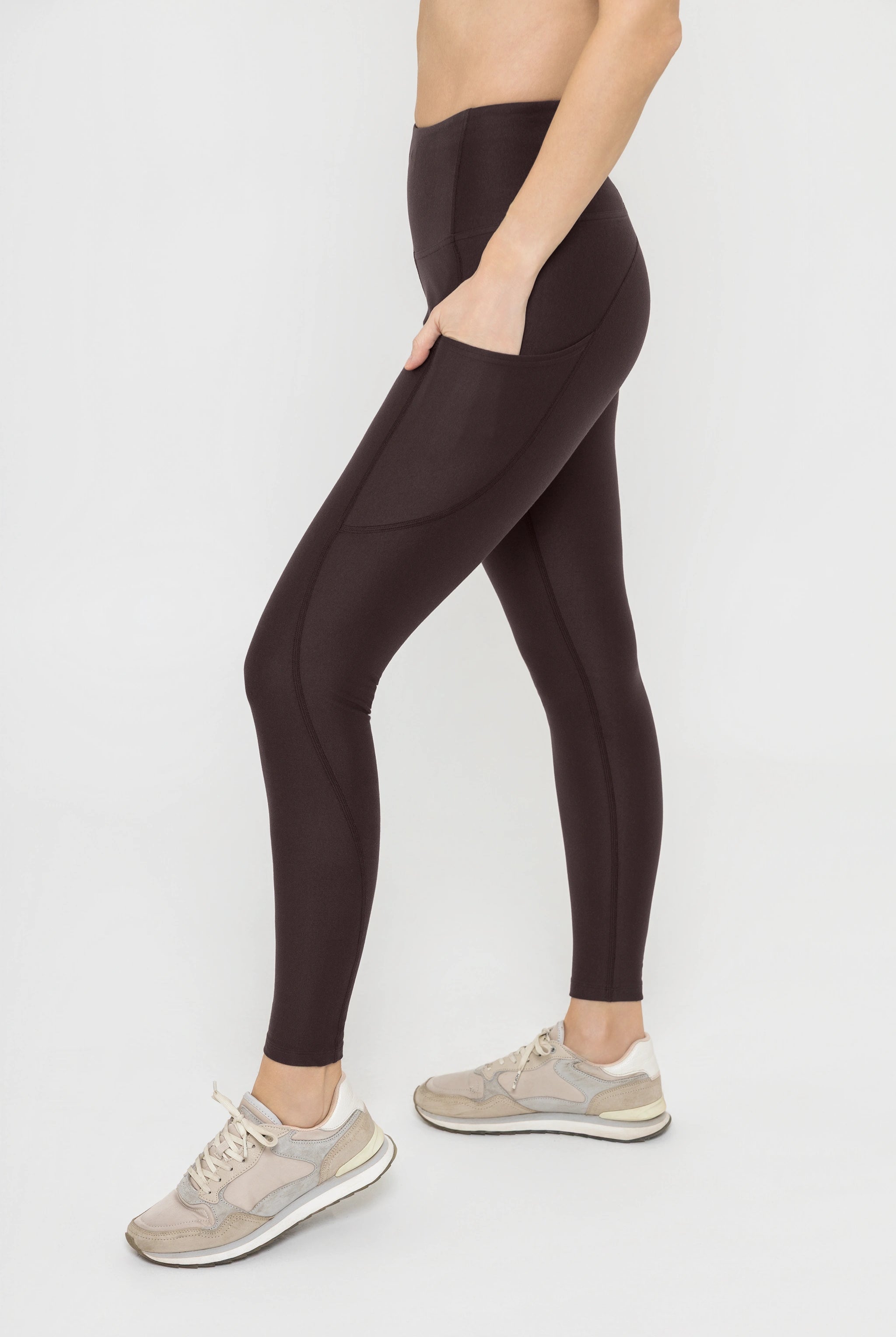
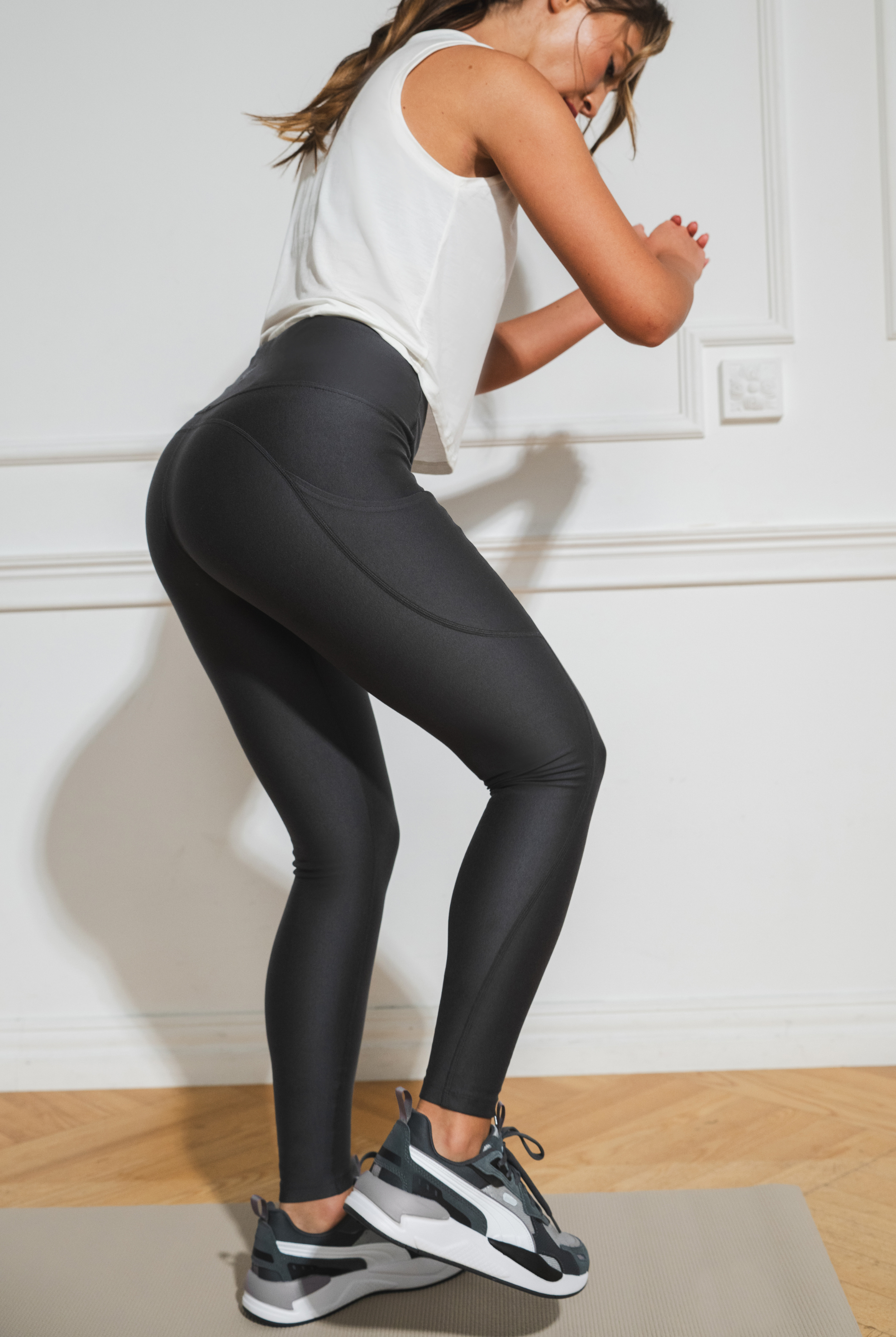
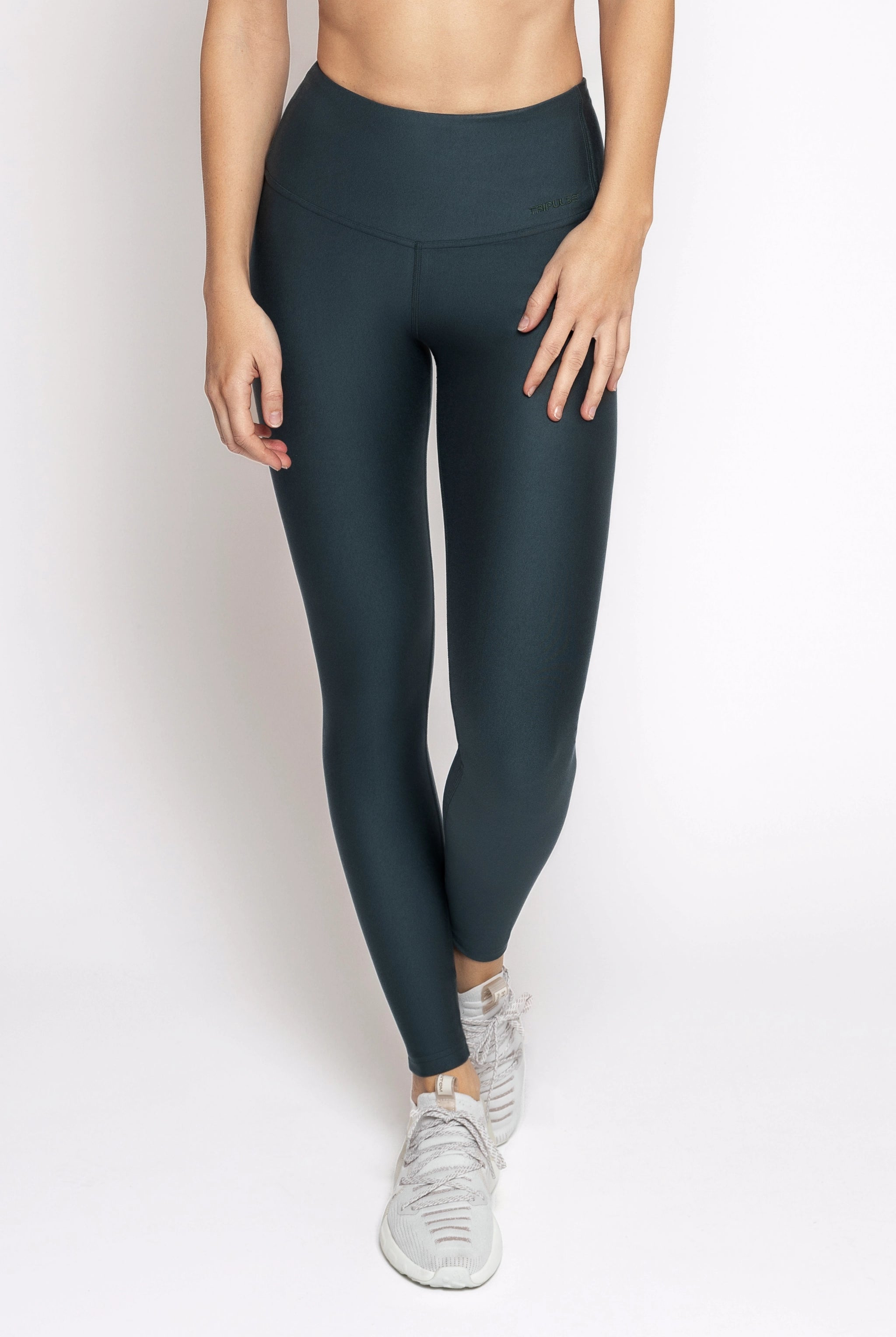
"These leggings are incredible! They felt cool as soon as I put them on, and after multiple sweaty workouts, I still don't need to wash!"
— Ashley (Tripulse customer) wearing Pro TENCEL™ Leggings

Want to feel the difference natural performance fabric makes?
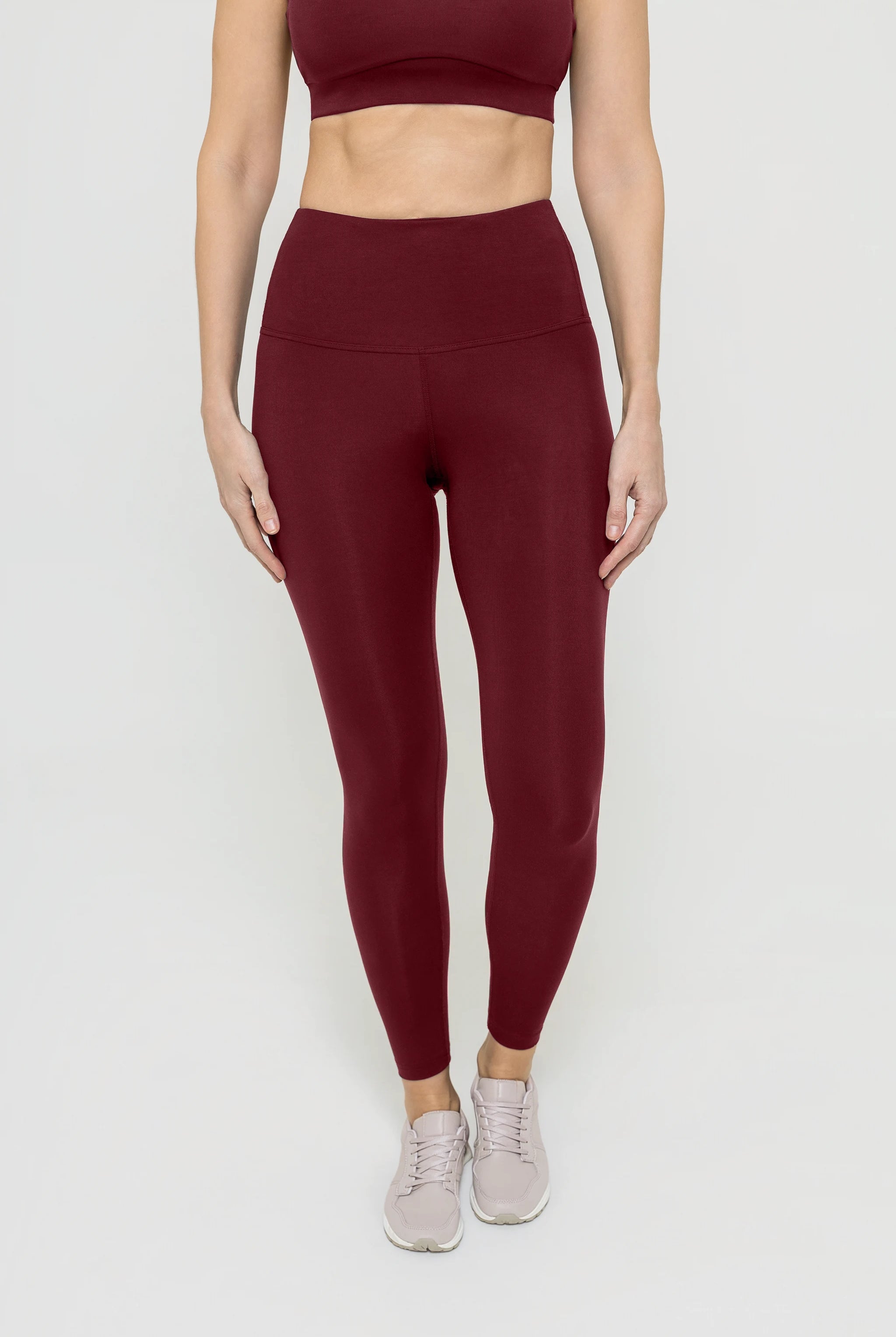
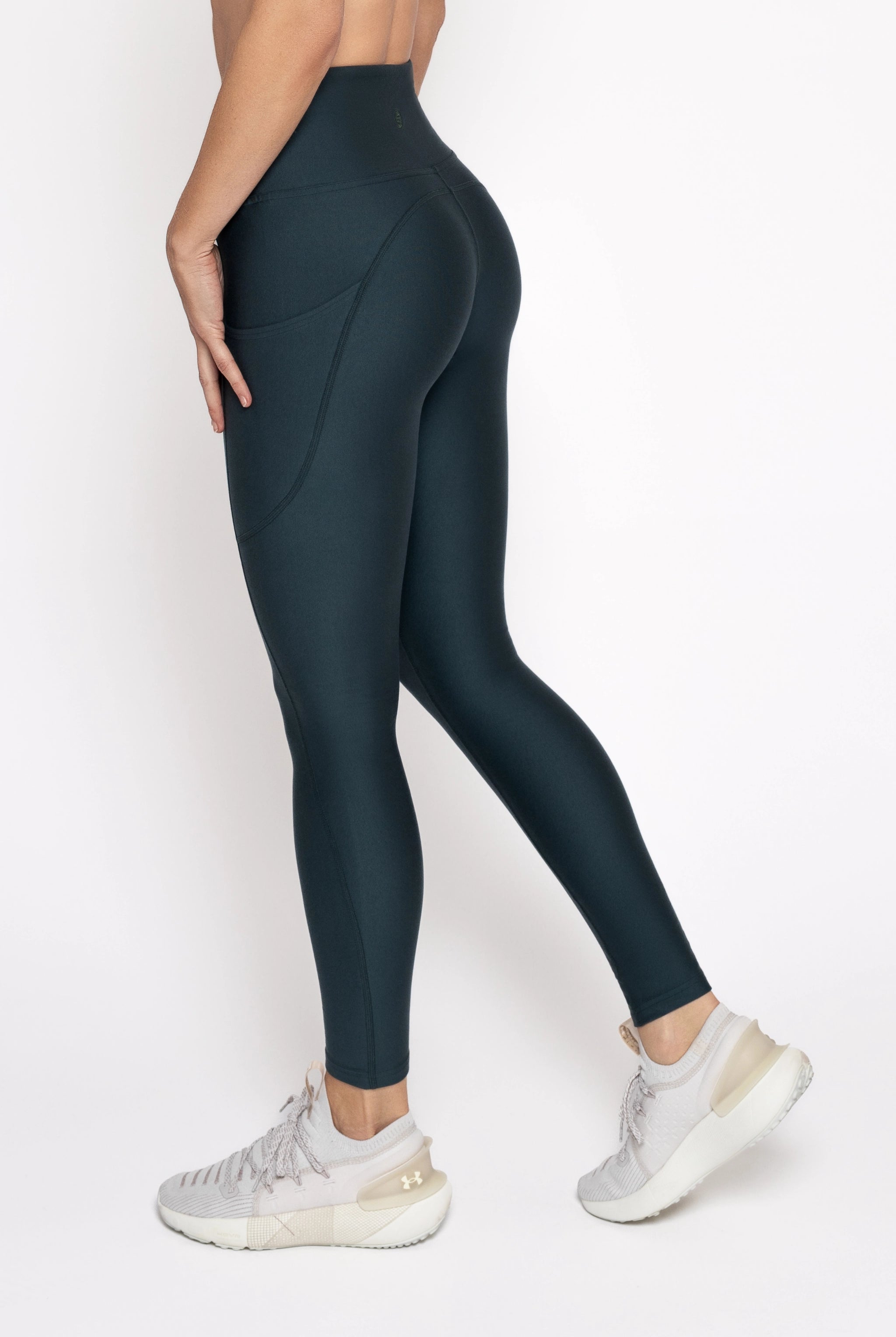
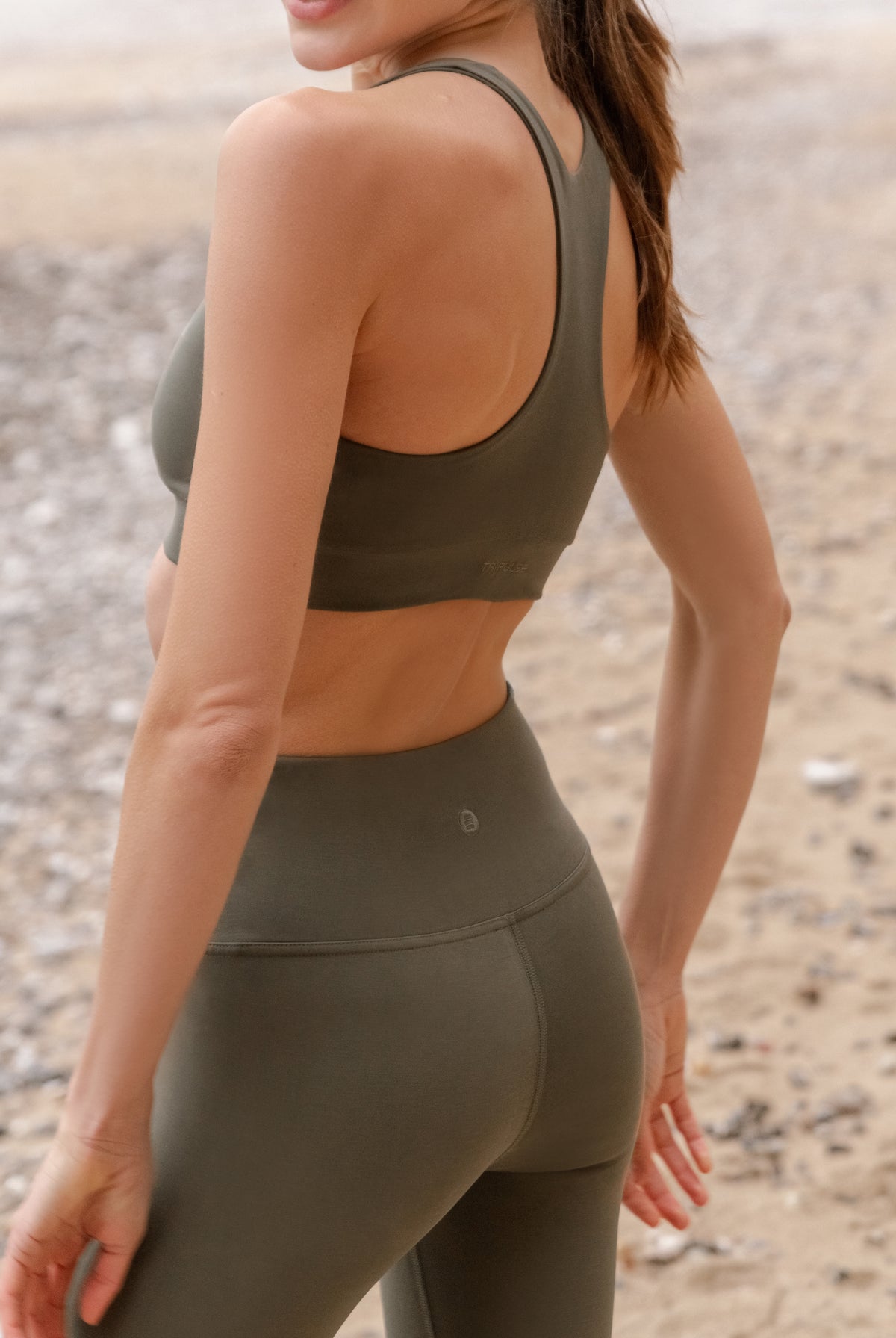
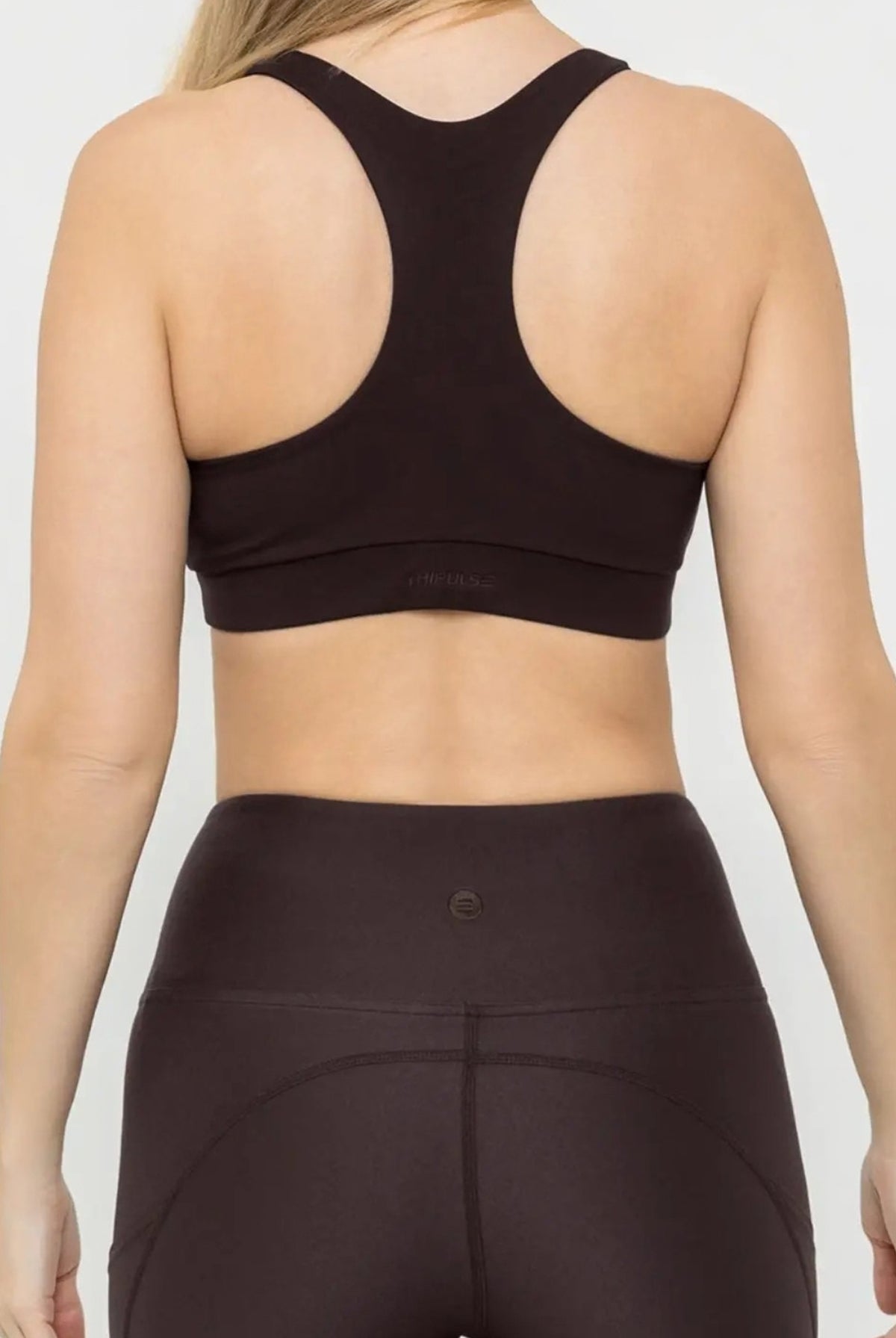
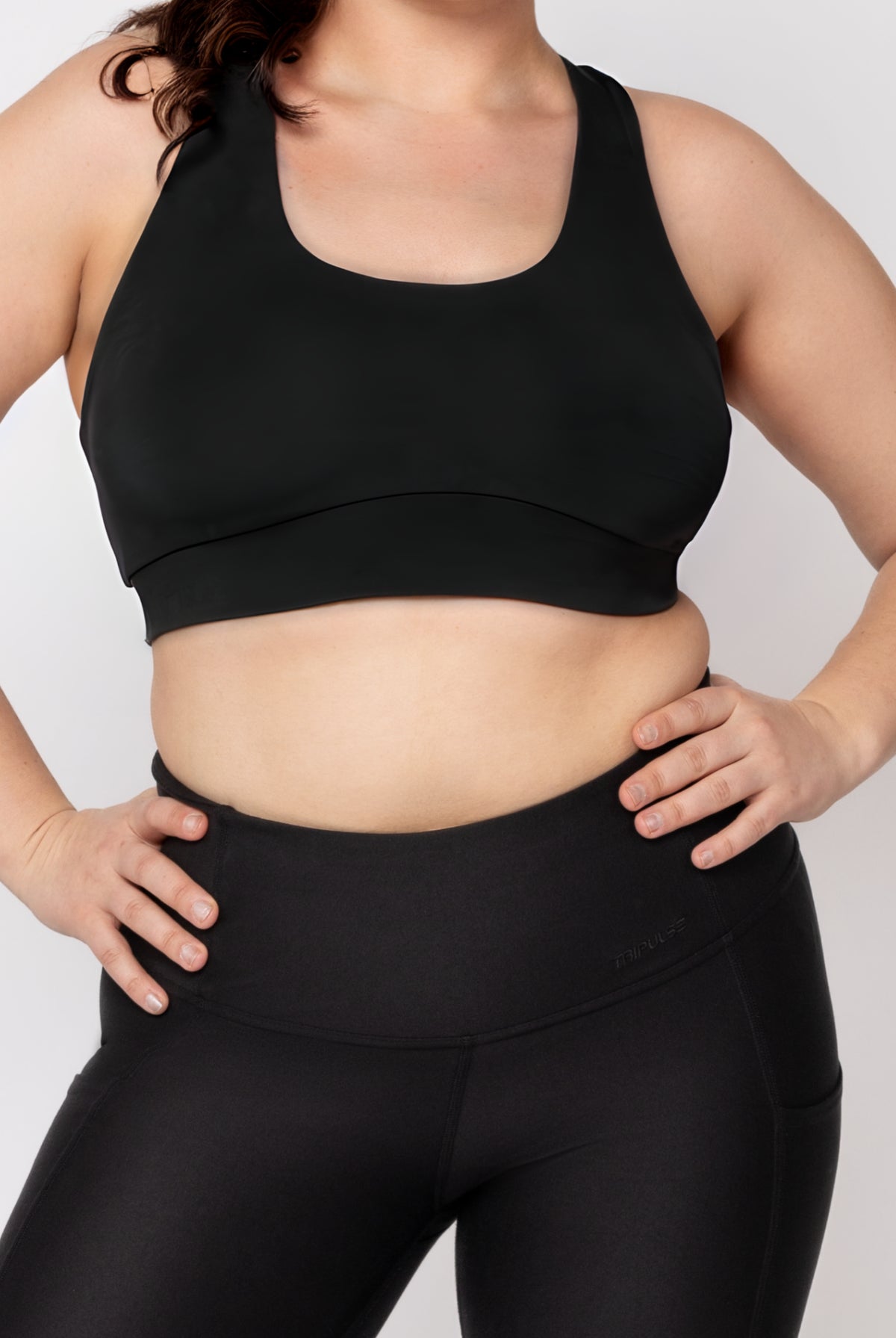
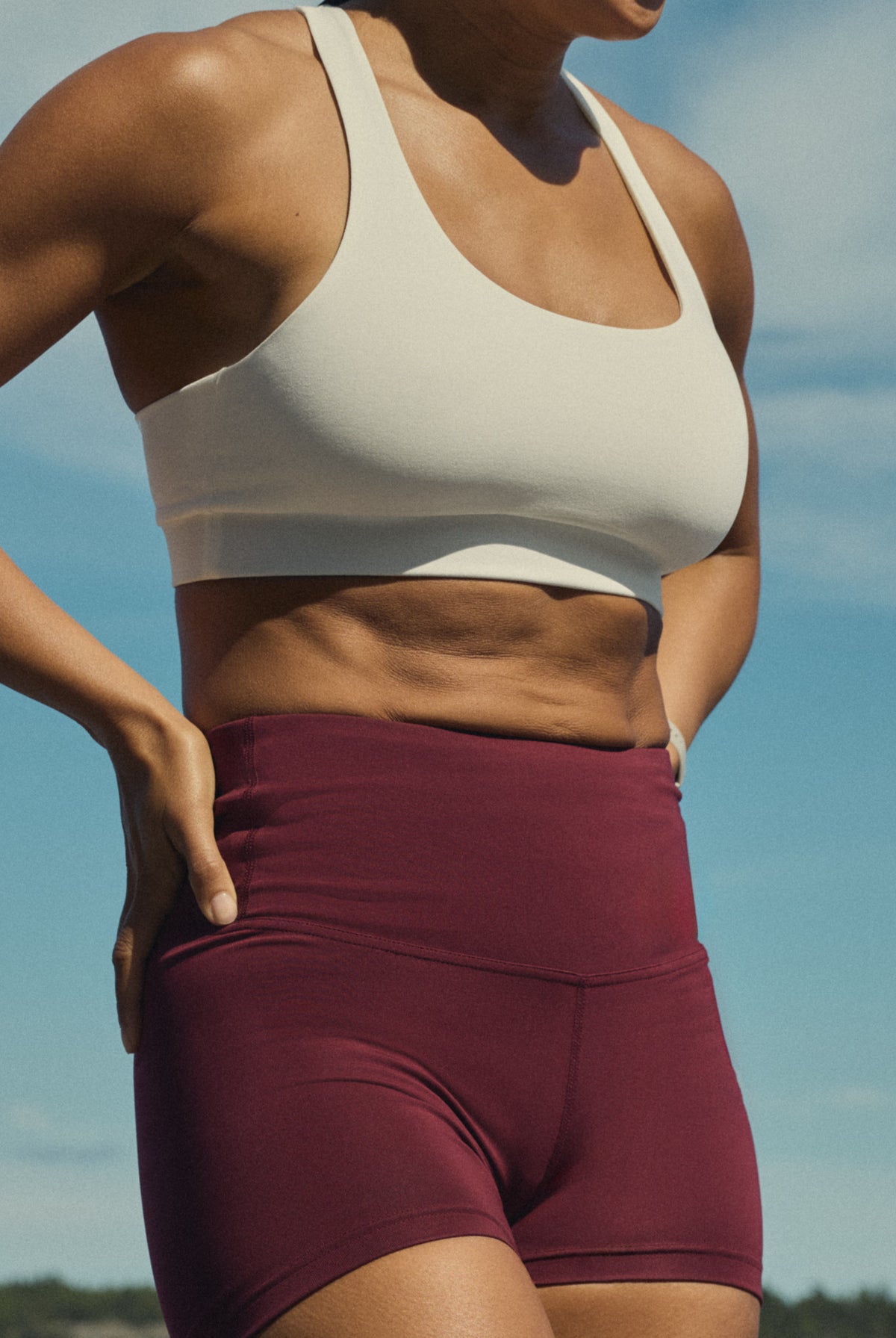
Take a look at Tripulse's signature TENCEL™ Lyocell activewear collection.
Is TENCEL™ Lyocell moisture-wicking and quick-drying?
Yes. TENCEL™ Lyocell naturally absorbs and releases moisture, making it both moisture-wicking and quick-drying.
Inside each TENCEL™ fiber is a network of tiny "nano-fibrils", creating microscopic channels that gently draw sweat into the fabric. Moisture is absorbed between these fibrils, spread evenly, and released through evaporation close to the skin.
This creates TENCEL™'s naturally dry, fresh feel — even after hours of wear.
Polyester has a very different structure. It doesn't absorb moisture into the fiber at all. Instead, sweat stays on the fabric surface, where it can build up and feel clammy, uncomfortable and very distracting during exercise.
Which is better for sensitive skin: TENCEL™ Lyocell or polyester?
TENCEL™ Lyocell is widely regarded as the superior option for sensitive skin.
Its naturally smooth fibres and moisture-absorbing structure help keep skin calm, dry, and comfortable. High-quality TENCEL™ fabrics are also certified skin-safe, including OEKO-TEX® Standard 100 and Asthma Allergy Denmark.
Polyester, by contrast, is rarely skin-certified and is commonly treated with synthetic dyes and chemical finishes that can trigger irritation in sensitive skin.
Dermatologist Susan Nedorost notes:
"The majority of dye allergy occurs from darkly dyed synthetic fibers ... such as polyester."
For those with reactive or sensitive skin, choosing breathable, low-irritation fibers like TENCEL™ can make a noticeable difference in everyday comfort and confidence.
Pro tip: True skin safety comes from the fiber and every certified component — from stretch yarns to dyes and finishes.
Tripulse customer results (sensitive skin):
- TENCEL™ Lyocell activewear: 9.9/10 comfort, zero irritation
- Synthetic fiber activewear: 6.4/10
Learn more: How Tripulse Natural Activewear Transformed Our Customers' Workouts

Is TENCEL™ Lyocell safer than polyester?
Yes. For skin-close wear like activewear, TENCEL™ Lyocell is considered a safer, gentler choice than polyester.
It performs naturally, without heavy chemical treatments, and is made in a clean, closed-loop process. High-quality TENCEL™ activewear is also certified to strict skin-health standards such as OEKO-TEX® Standard 100 and bluesign®, and made within responsible, transparent supply chains.
Polyester is plastic-based and often relies on added chemistry to create performance features. Recent studies suggest that when we sweat and move, small amounts of chemical residue can pass from fabrics to skin, including traces released from polyester itself.
Polyester garments also shed microplastics during washing and wear. These tiny fibers can carry residues from the fabric too.
When something sits against warm, damp skin, fabric quality and certifications make a meaningful difference for long-term comfort and wellbeing.
Learn more: Toxins in Clothing: 7 Chemicals to Avoid + What to Wear Instead.
Materials & certifications we look for (Tripulse standard)
- High-content TENCEL™ Lyocell botanical fibers
- OEKO-TEX® certified, non-toxic dyes and finishes
- Safer stretch fibers such as ROICA™ eco-stretch
- Transparent, high-standard production (including GOTS-certified factories in Europe)

How do TENCEL™ Lyocell and polyester compare in durability for activewear and everyday wear?
High-quality TENCEL™ activewear is designed to last for years with the right care, maintaining softness, performance, and comfort over time.
Polyester can be durable, but recent insights from Tripulse customers show synthetic activewear is often replaced sooner due to loss of fit, lingering odors, and declining comfort.
Tripulse Customer Insights:
When customers transitioned from synthetic activewear to a small TENCEL™ capsule wardrobe, clear patterns emerged:
| Tripulse TENCEL™ Activewear Wardrobe | Synthetic Activewear Wardrobe | |
|---|---|---|
| Pieces owned | ~6 | ~21 |
| Wash frequency | 0–1 per week | 1–2 per week |
| Lifespan | Many years | Months to years |
| Replacement frequency | Rare | Several times yearly |
| Overall comfort | High | Inconsistent |
The takeaway:
- A small wardrobe of high-quality TENCEL™ pieces replaces dozens of synthetic garments.
- Less washing, less replacing, more comfort, and better value over time.
- A long-term investment in movement, skin, and everyday wellbeing.
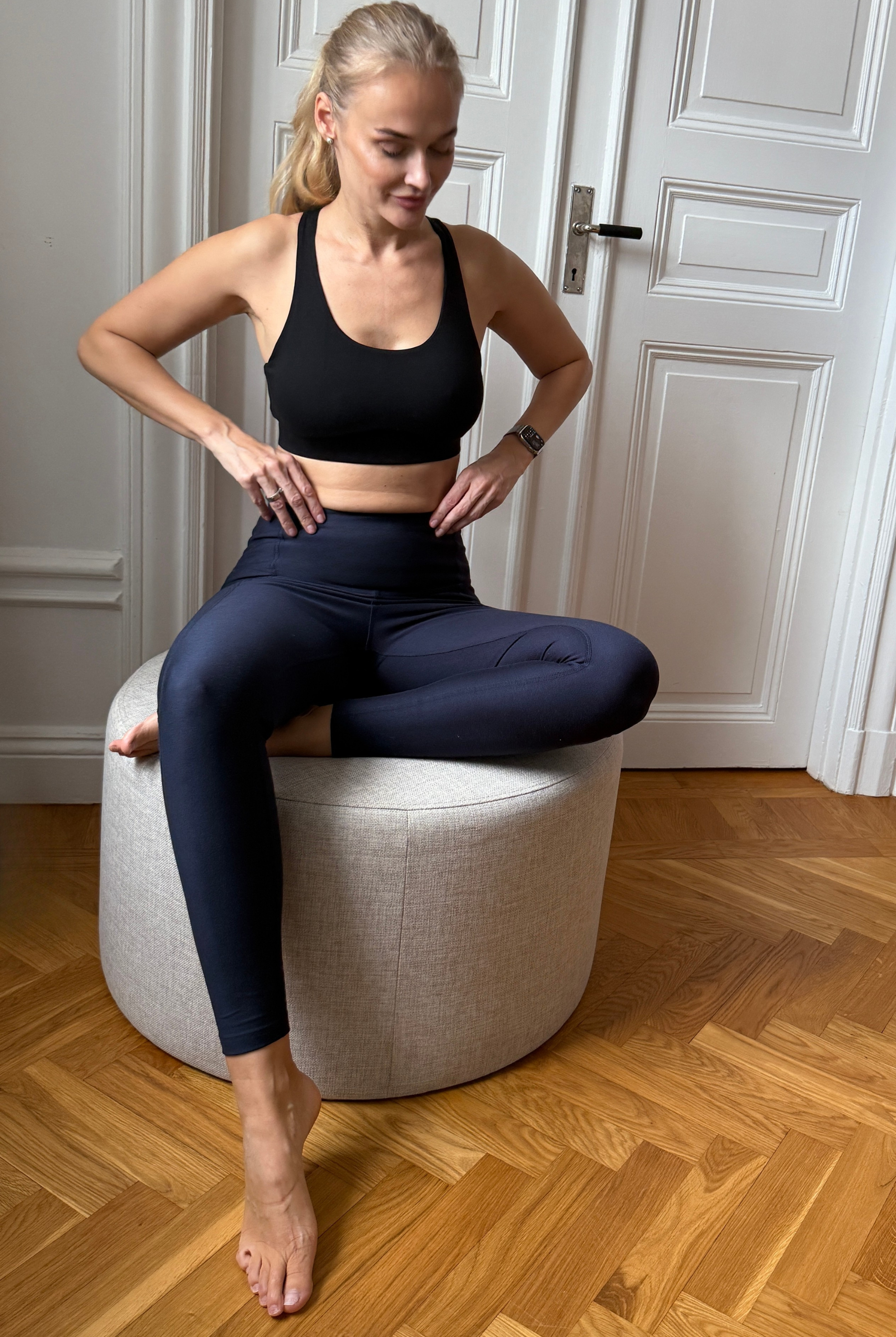
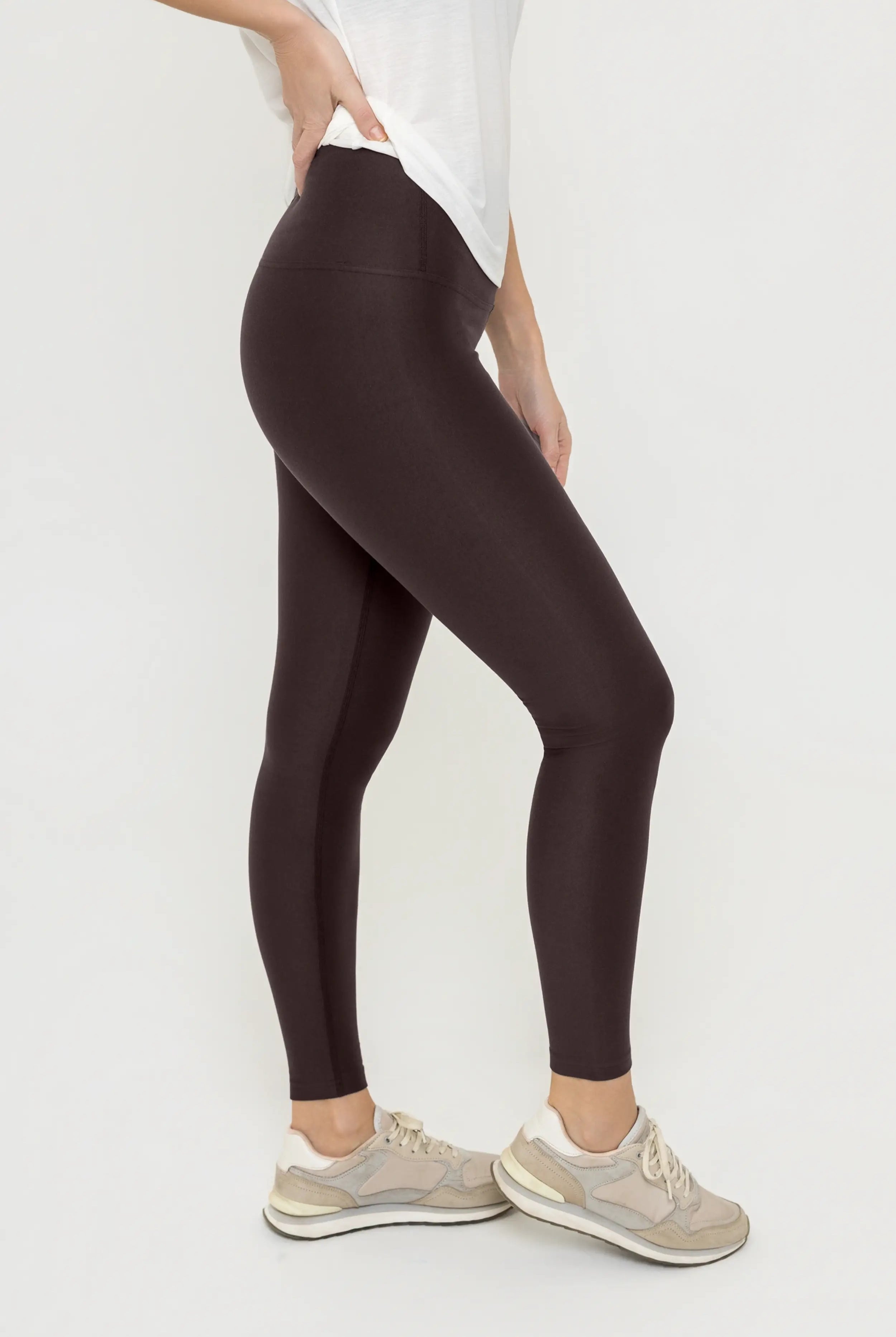
"Comfortable, practical, and durable — I'm looking forward to enjoying them for many years to come."
— Kay (Tripulse customer) wearing Original TENCEL™ Leggings

Learn more: Activewear Capsule Wardrobe: 6-8 Natural Pieces That Do It All.
Is TENCEL™ Lyocell a premium fabric?
Yes. TENCEL™ Lyocell is considered a premium fabric due to its advanced production process, performance on the body, and the high standards it meets for skin health and sustainability.
Because of this, well-made TENCEL™ activewear typically sits at a higher price point.
A gentle note: not all TENCEL™ activewear is created the same. The difference lies in fiber content, certifications, and how thoughtfully a garment is constructed.
Premium TENCEL™ Activewear vs Lower-Grade Alternatives
| Premium TENCEL™ activewear | Lower-grade TENCEL™ blends | |
|---|---|---|
| TENCEL™ content | High (often 80–100%) | Lower (often 50–70%) |
| Construction | Engineered for lasting comfort and shape | Simpler builds |
| Stretch & feel | Clean stretch only where needed (e.g., ROICA™ V550 / EF) | Standard elastane or spandex |
| Skin safety | Certified fabrics, dyes & trims | Limited or missing |
| Testing | Wear-tested in real life for comfort + performance | Limited wear testing and consistency |
| Production | High-standard, responsible supply chains (e.g., EU production, GOTS certified factory) | Standards vary |
Why Quality Matters in TENCEL™ Activewear
Choosing TENCEL™ is already a comfort and skin health upgrade. Choosing high-quality TENCEL™ activewear turns it into long-term value:
- Breathable, moisture-managing performance without chemical finishes
- Pieces designed to move seamlessly from training to everyday life
- Longer lifespan and better cost per wear
- Certified skin-safe fabrics for lasting comfort and wellbeing

Does TENCEL™ Lyocell perform well for activewear?
Yes. TENCEL™ Lyocell is naturally breathable and moisture-managing. It adapts to your body as you move, helping you stay cool, dry, and comfortable — even as intensity builds.
Tripulse customers wear their TENCEL™ activewear across strength training, running, yoga, pilates, hiking, and everyday life.
Their experience from a recent survey:
- 99% report zero irritation
- 89% report excellent breathability during workouts
- 85.5% wear pieces multiple times before washing
- 94% report lasting shape and fit
It's performance that feels natural on your skin — wherever movement takes you.

What are the downsides of TENCEL™ Lyocell?
The honest trade-offs of TENCEL™:
- More considered care: cooler washes and air-drying help preserve softness and performance.
- Needs a stretch blend for certain pieces: high-performance pieces need added stretch, ideally using cleaner, skin-safe fibers like ROICA™ rather than traditional elastane or spandex.
- Less widely available: premium TENCEL™ activewear is still a conscious choice rather than the mainstream default.
What Are the Environmental Benefits of Choosing TENCEL™ Lyocell Over Polyester?
TENCEL™ Lyocell is made from sustainably sourced wood pulp in a low-impact, circular production system. It's plastic-free, biodegradable, and held to some of the highest environmental standards in the textile industry.
Polyester is derived from fossil fuels, follows a linear take-make-dispose model, and contributes to long-term plastic and microplastic pollution.
TENCEL™ Lyocell vs Polyester — Environmental Impact
| Feature | TENCEL™ Lyocell | Polyester |
|---|---|---|
| Raw material | Sustainable wood pulp (over 99% FSC & PEFC certified) | Petroleum (fossil fuels) |
| Production system | Closed-loop, low-impact process | Linear, high-impact process |
| Water & solvent use | One non-toxic solvent (NMMO), up to 99.8% recovered and reused | High water use and chemical discharge |
| Energy sources | Many sites powered by renewable bioenergy | Largely fossil-fuel powered |
| End of life | Biodegradable, plastic-free (TÜV Austria certified) | Non-biodegradable |
| Microplastics | None | Sheds microfibres during wash and wear |
| Chemical load | Performs naturally without heavy finishes | Often treated with multiple chemicals |
| Certified standards | EU Ecolabel, OEKO-TEX®, FSC/PEFC, USDA Certified Biobased Product | Varies widely |
Learn more about TENCEL™'s high environmental standards in our guide to TENCEL™ Lyocell.

Is recycled polyester actually better for the environment?
Recycled polyester keeps plastic out of landfill — but it's still plastic.
A report by Changing Markets Foundation shows recycled polyester can shed 55% more microplastics than virgin options. It also often carries a wider mix of chemical residues.
So while rPET sounds greener, it doesn't solve plastic pollution, and can sometimes intensify it.
Is bio-based polyester a better alternative?
Not necessarily.
Recent research shows some plant-based plastics break down into tiny fragments, much like regular plastic. They can persist in the environment and raise similar health concerns, despite being marketed as biodegradable.
In short: plant-based doesn't always mean low-impact or safer.
Making Your Choice: TENCEL™ vs Polyester
Choose TENCEL™ Lyocell if you:
- want breathable comfort that feels good on the body
- have sensitive or irritation-prone skin
- prefer freshness with fewer washes
- value long-lasting quality and performance
- care about certified skin safety and sustainability
- want versatile pieces for workouts and everyday life
Consider polyester if you:
- wear activewear occasionally rather than daily
- use it mainly as an outer layer, not against the skin
- don't experience odor or skin sensitivity
- prefer readily available, mass-produced collections
TENCEL™ vs Polyester: Final Verdict
For activewear worn close to the body, TENCEL™ Lyocell delivers a level of comfort, freshness, skin support, and sustainability that polyester simply can't match.
If comfort, performance, and wellbeing matter, TENCEL™ Lyocell is the superior choice.
Explore Tripulse's high-grade, signature TENCEL™ Lyocell activewear — crafted for movement, comfort, and skin health.

For more, visit:
- Plastic-Free Activewear: Why Elastane Is Still Used (And Safer Options)
- TENCEL™ Lyocell vs Cotton for Activewear: Which Is Better For Your Skin?
- How Tripulse Natural Activewear Transformed Our Customers' Workouts
- The Complete Guide to Itchy Skin During & After Exercise (+ Free Relief Checklist)
- Toxins in Clothing: 7 Chemicals to Avoid + What to Wear Instead
- Activewear Capsule Wardrobe: 6-8 Natural Pieces That Do It All
- How to Avoid Microplastics in Clothing: 5 Ways to Reduce Everyday Exposure
Written by Franziska Mesche, Founder of Tripulse, impact entrepreneur and materials innovation expert in natural performance textiles.
Franziska leads Tripulse's work on skin-safe TENCEL™ Lyocell and healthier activewear, with a focus on responsible materials and circular design in sustainable fashion.
Since 2019, she has sourced and tested a wide range of natural and synthetic activewear fabrics, working directly with leading fabric innovators to develop high-performance TENCEL™ Lyocell wear. Through seven years of hands-on product development and customer feedback from thousands of users, she has built practical expertise in how TENCEL™, polyester, and other performance materials compare in real athletic use.
As an active mover and conscious consumer herself, Franziska brings personal experience to everything she writes about non toxic living, movement, and wellness.